
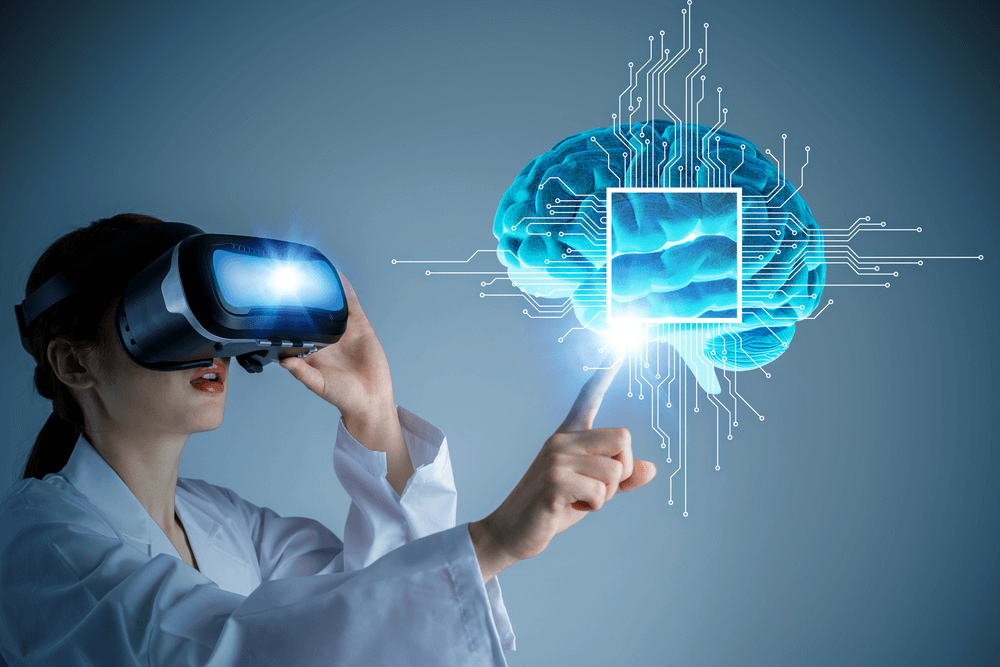
The healthcare sector is constantly evolving, and a significant leap forward has been the integration of Artificial Intelligence (AI) into medical diagnostics. This merging of AI and healthcare has paved the way for a new era of precision medicine, fundamentally changing the landscape of disease detection, diagnosis, and treatment. This article takes a deep dive into the profound influence of AI on medical diagnostics, exploring its practical applications, advantages, challenges, and the promising outlook that lies ahead.
The Emergence of AI in Medical Diagnostics
Gone are the days when medical diagnostics relied solely on manual interpretation of test results. The rise of AI has given healthcare practitioners a powerful tool that can rapidly and accurately analyze extensive volumes of medical data, encompassing everything from images to genetic information.
AI algorithms have demonstrated their exceptional ability in recognizing patterns, enabling them to identify subtle anomalies that might elude human observation. This capability is particularly evident in radiology, where AI-powered algorithms can swiftly examine medical images such as X-rays, MRIs, and CT scans, thereby aiding in early identification of conditions like tumors, fractures, and even specific neurological disorders.
Enhancing Diagnostic Precision
A core strength of AI lies in its capacity to enhance diagnostic precision. Conventional diagnostic methods often involve an element of subjectivity, influenced by the experience and expertise of the interpreting physician. In contrast, AI relies on data-driven insights and algorithms that continually learn and refine their capabilities through analysis of a diverse range of cases. This results in a reduction of diagnostic errors, equipping clinicians with more dependable information for critical decision-making.
Personalized Healthcare and Predictive Analysis
AI has unlocked the doors to personalized healthcare, a paradigm that tailors medical interventions and treatments to an individual’s distinct genetic composition, lifestyle, and medical history. Through the analysis of genetic data, AI algorithms can pinpoint genetic predispositions to specific diseases, thus enabling early interventions and preventive measures. Moreover, AI can forecast disease trajectories based on historical data, offering valuable insights for managing chronic conditions like diabetes, cardiovascular diseases, and even mental health disorders.
Challenges and Ethical Contemplations
Despite its remarkable potential, the integration of AI into healthcare diagnostics comes with its own set of challenges. A notable concern is the ethical use of patient data. To effectively train AI models, large volumes of medical data are essential, raising concerns about patient privacy and data security. Striking a balance between leveraging data for AI advancements and upholding patient confidentiality remains an ongoing challenge.
Furthermore, the opaque nature of some AI algorithms presents a challenge in comprehending the rationale behind their decisions. As these algorithms grow more intricate, interpreting their outcomes can prove to be daunting for healthcare professionals. Ensuring transparency and interpretability in AI diagnostics becomes crucial in establishing trust between clinicians and AI systems.
The Path Ahead
Looking forward, the synergy between AI and medical diagnostics holds immense promise. Researchers and developers are actively engaged in refining AI algorithms, enhancing their accuracy and adaptability across diverse medical disciplines. The notion of “augmented intelligence” is on the rise, where AI collaborates with healthcare professionals by offering insights and suggestions, rather than completely replacing human judgment. This collaborative approach combines AI’s analytical strengths with the nuanced understanding and empathy of human practitioners.
Conclusion
The integration of AI into medical diagnostics marks a pivotal transformation in healthcare. By automating intricate analytical tasks and furnishing predictive insights, AI elevates diagnostic precision, facilitating early interventions and tailored treatment approaches. Nevertheless, challenges tied to data privacy, transparency, and effective collaboration between AI and healthcare experts need to be addressed to fully harness its potential. As these challenges are navigated, it is evident that AI’s role in reshaping medical diagnostics is only in its nascent stages, holding the promise of a healthier and more knowledgeable future for both patients and practitioners.


